
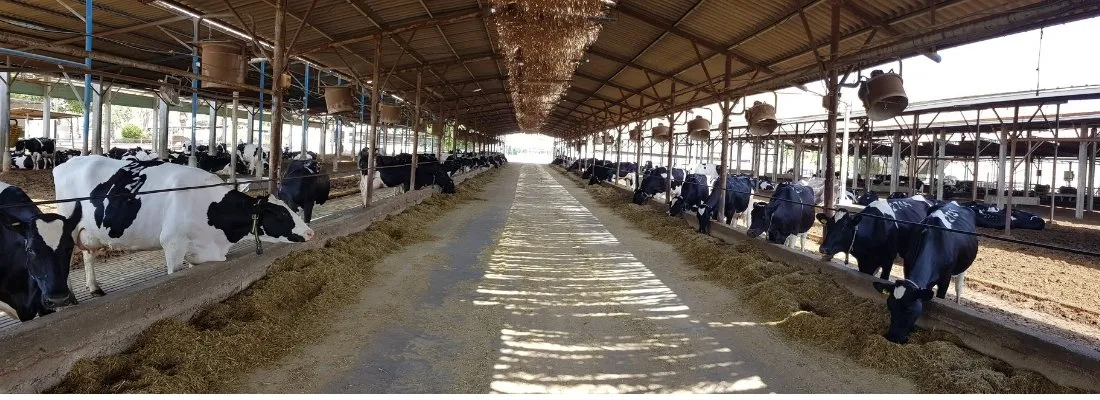
How to Increase Dairy Feed Efficiency: Proven Tips to Maximize Feed Utilization
Boosting feed efficiency in dairy farming is crucial for enhancing milk yield, reducing feed costs, and improving overall herd health. Dairy farmers can optimize feed utilization and maximize profitability by adopting effective feed strategies and leveraging the latest technologies. In this guide, we provide practical tips on How to Increase Dairy Feed Efficiency using proven methods and innovations.
Enhancing dairy feed conversion isn’t just about cutting costs—it’s about ensuring that every bite of feed contributes directly to milk production. Understanding the factors affecting feed utilization and employing targeted strategies can help dairy farmers achieve better results and higher returns.
1. Understanding Feed Efficiency, Utilization, and Conversion in Dairy Cows
Feed efficiency measures a cow’s ability to convert feed into milk, while feed utilization focuses on how well cows absorb nutrients. High feed conversion rates mean more milk production with less feed, leading to significant cost savings.
Key Points:
- Monitor Efficiency Metrics: Use feed conversion ratio (FCR) and residual feed intake (RFI) to evaluate performance.
- Set Baselines: Track individual cow feed efficiency to detect issues and monitor progress.
Why It Matters: A slight increase in feed efficiency can result in substantial financial benefits on large dairy farms. Learn more about the importance of feed efficiency in dairy farming through Dairy Australia’s guide.
2. Optimizing Total Mixed Ration (TMR) for Better Feed Utilization
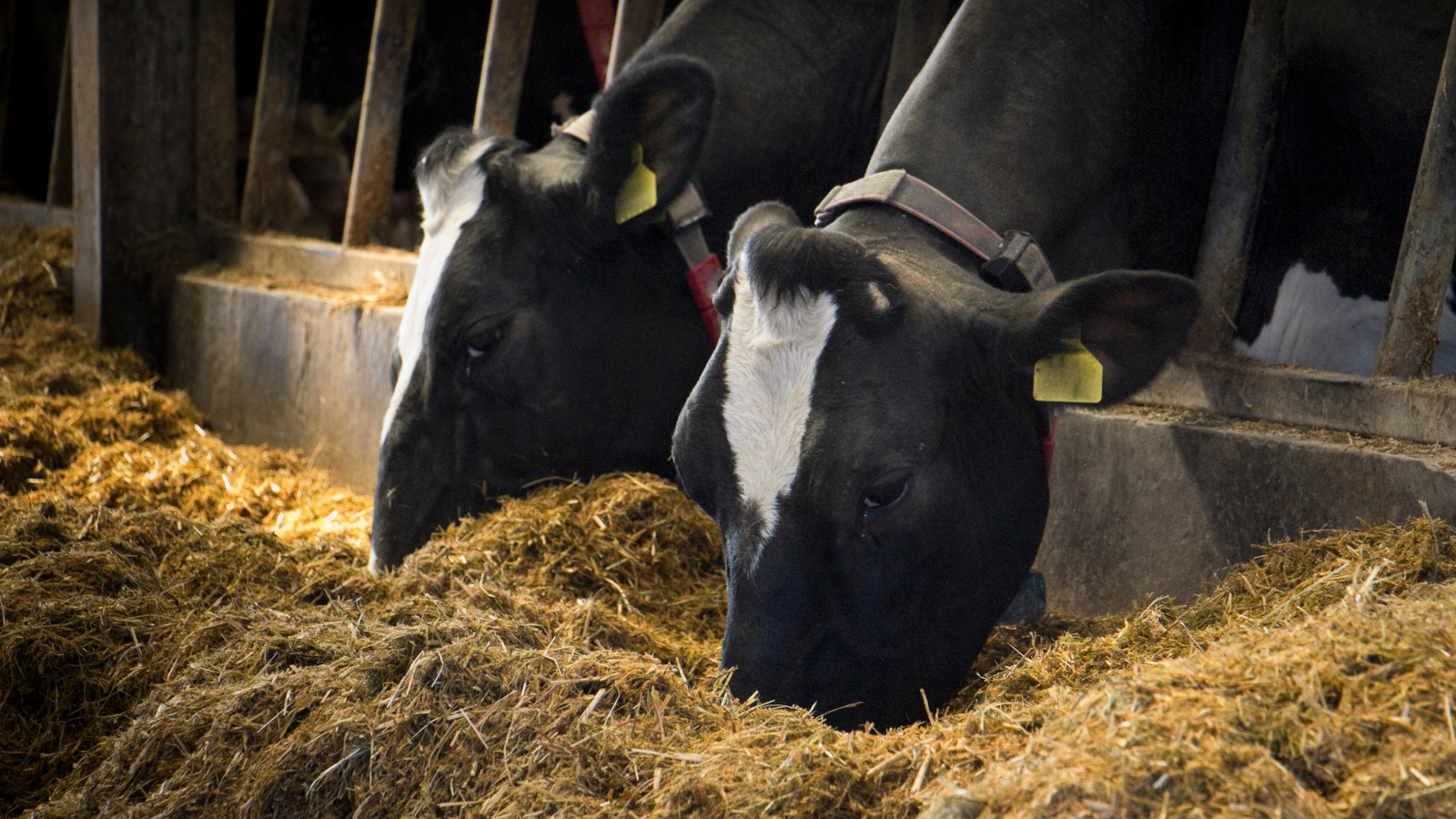
A balanced Total Mixed Ration (TMR) ensures consistent nutrient intake, improves feed conversion, and reduces waste. Proper TMR formulation is key to maximizing feed efficiency.
Practical Tips:
- Maintain Consistent Mixing: Use high-quality mixers and follow a standard procedure.
- Test Forage Quality: Analyze forage regularly to adjust the TMR based on current nutritional content.
- Monitor Moisture Levels: Balance moisture content to improve palatability and prevent spoilage.
Pro Tip: Check out this comprehensive guide on TMR best practices by Progressive Dairy for better feed results.
3. Leveraging Data-Driven Approaches to Enhance Feed Conversion and Performance

Using technology to monitor feeding data allows farmers to make informed decisions about diet adjustments, improving feed efficiency.
Strategies:
- Implement Digital Feed Monitoring: Use software to track dry matter intake (DMI) and milk output.
- Analyze Data Trends: Adjust feeding strategies based on real-time insights.
- Benchmark Performance: Compare your results with industry standards to identify areas for improvement.
Insight: Data-driven decisions can boost feed efficiency by up to 15%. Discover the impact of technology on dairy farming through this Dairy Herd article. For more information on best practices and technology integration in dairy farming, visit the National Dairy FARM Program.
4. Enhancing Rumen Health for Improved Feed Utilization and Conversion
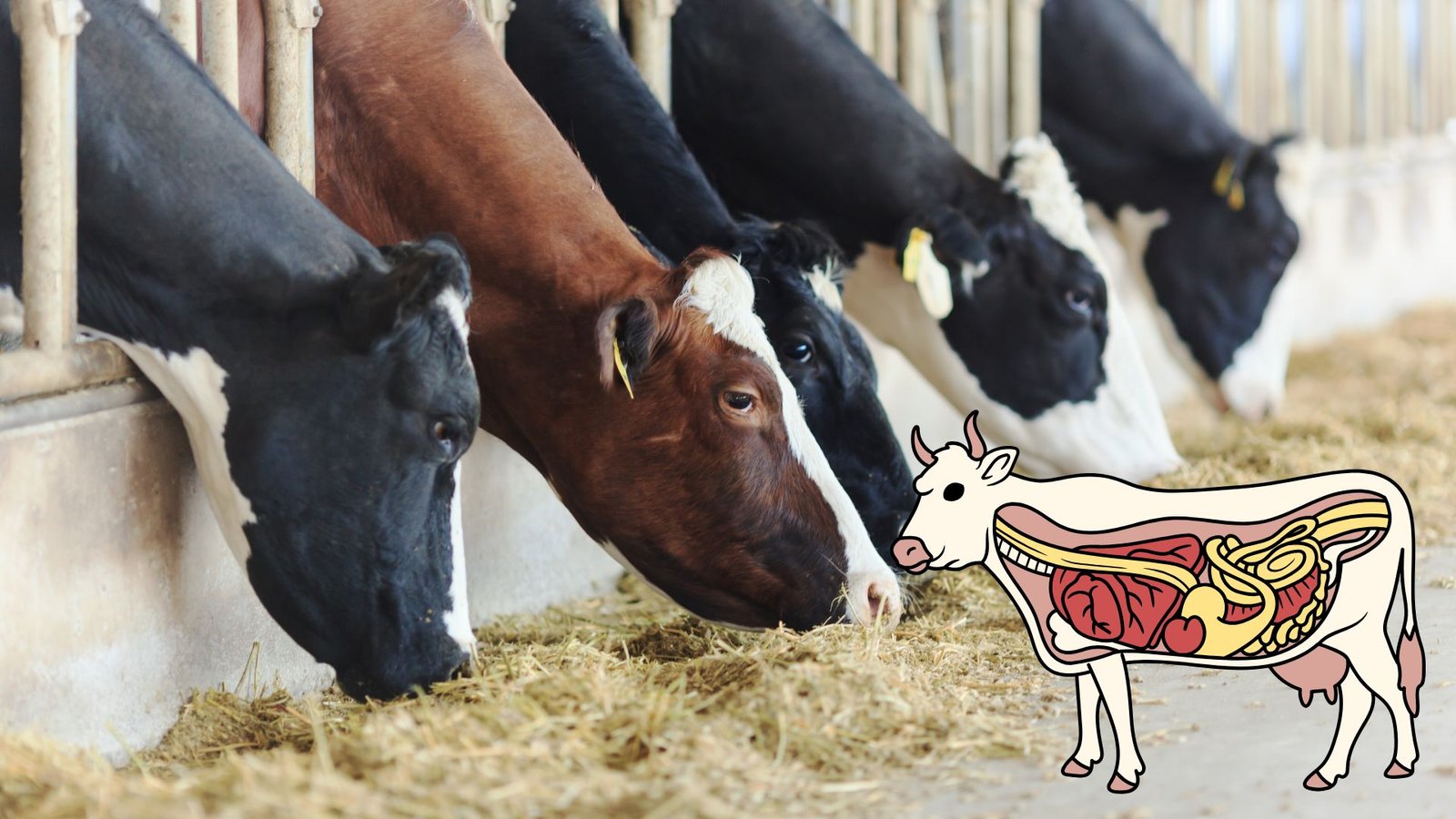
Maintaining a healthy rumen environment is crucial for effective nutrient absorption and feed conversion.
Best Practices:
- Use Rumen Buffers: Incorporate sodium bicarbonate to stabilize pH levels.
- Include Adequate Fiber: Fiber helps maintain rumen motility and supports healthy fermentation.
- Add Probiotics: Probiotics enhance microbial activity, aiding in feed breakdown.
Remember: Rumen health directly influences feed efficiency and milk yield. Learn more about enhancing rumen health in this Nutrition Physiology resource.
5. Minimizing Feed Waste to Maximize Feed Efficiency and Nutrient Utilization
Reducing feed waste is a straightforward way to enhance feed efficiency. Proper management practices ensure that cows receive the total nutritional value of their feed.
Actionable Steps:
- Store Feed Properly: Use airtight silage covers to prevent spoilage.
- Feed Accurately: Use scales or automated systems for precise feed delivery.
- Maintain Feeding Equipment: Regular cleaning prevents uneven feed distribution.
Fact: Minimizing waste can save up to 10% on feed costs annually, improving overall profitability.
6. Adjusting Feeding Schedules for Enhanced Nutrient Efficiency and Milk Production
The timing of feeding can significantly impact nutrient absorption and overall feed conversion efficiency.
Tips:
- Offer Smaller, More Frequent Meals: Frequent feeding helps stabilize rumen pH and improves digestion.
- Feed During Cooler Hours: Feed cows early in the morning or late at night in hot climates to encourage higher intake.
Insight: Proper feeding schedules can enhance nutrient absorption and increase milk yield.
7. Incorporating By-Products and Alternative Feeds for Cost-Effective Efficiency
Using by-products and alternative feed sources can help lower feed costs while maintaining or even improving feed efficiency.
Suggestions:
- Use By-Products: Incorporate cost-effective alternatives like beet pulp and distiller grains.
- Regularly Test Nutritional Content: Ensure by-products meet the necessary nutritional standards.
- Monitor Quality: Proper storage prevents spoilage and ensures high-quality feed.
Pro Tip: By-products can be a valuable addition to the diet, reducing costs without compromising nutrition.
8. Utilizing Technology and Innovations for Enhanced Feed Efficiency
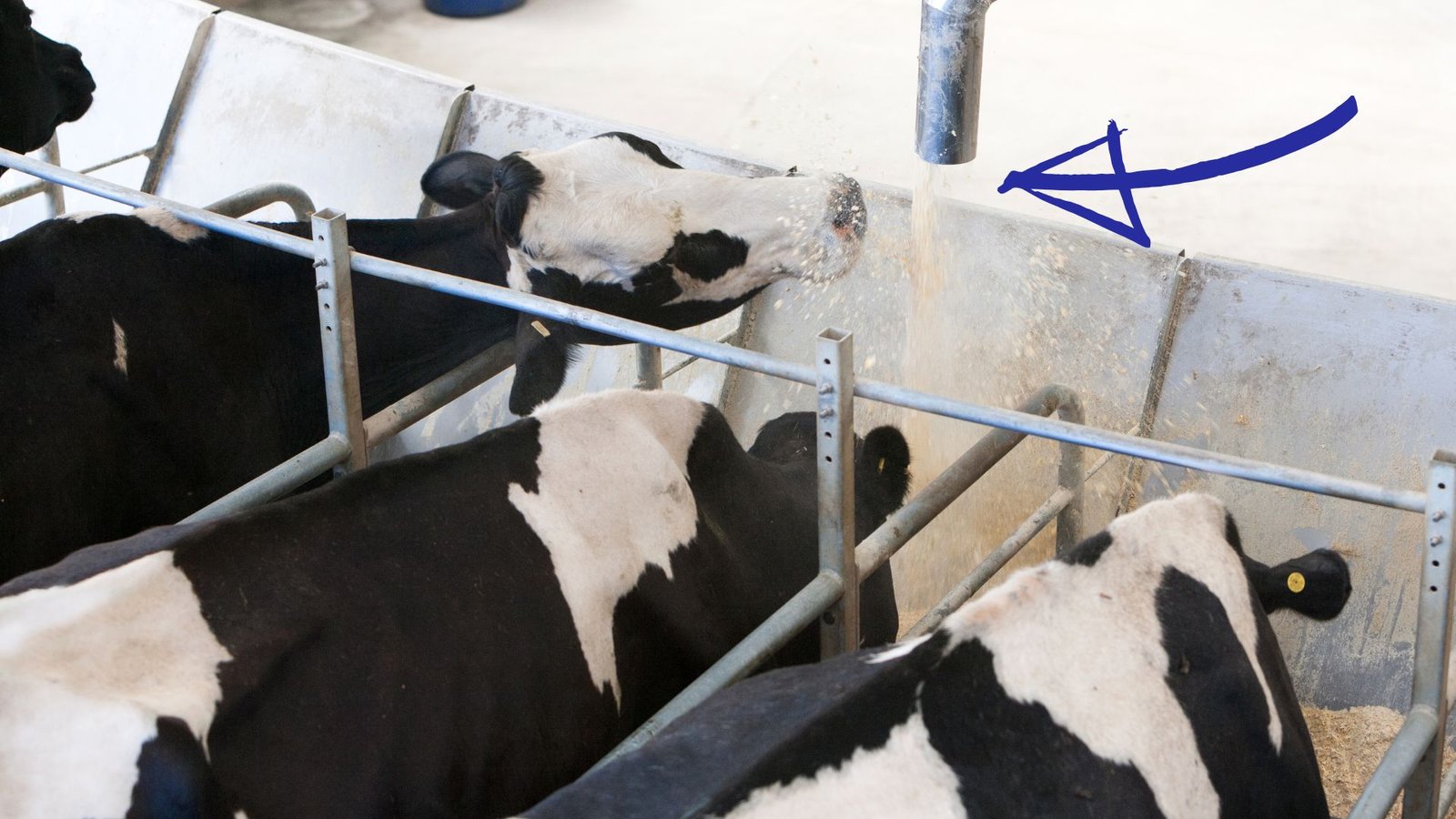
Modern technologies can transform feed management, reducing labor and improving efficiency.
Innovative Solutions:
- Robotic Feeders: Ensure precise and consistent feeding with automated systems.
- Feed Monitoring Software: Use real-time data to track feed intake and make necessary adjustments.
- Precision Feeding: Tailor the diet for individual cows using advanced sensors.
Why It Matters: Investing in technology boosts efficiency and reduces overall costs, making your farm more competitive.
9. Understanding the Economic Benefits of Improving Dairy Feed Efficiency
Enhanced feed efficiency leads to significant economic gains, including reduced feed costs and higher milk production.
Economic Impact:
- Lower Feed Costs: Efficient feeding reduces the amount of feed required per liter of milk.
- Increased Milk Output: Better nutrient absorption translates directly into higher milk yields.
- Improved Profit Margins: Optimizing feed efficiency boosts overall financial performance.
Conclusion: A 5% improvement in feed efficiency can save thousands annually, especially on large-scale farms.
Join the Israeli Dairy School for Expert Training in Feed Optimization
The Israeli Dairy School offers specialized training programs designed to help dairy professionals enhance feed efficiency. Our courses cover advanced nutrition management, feed technology, and innovative strategies to maximize milk production.
Enroll Today: Learn the latest techniques in dairy feed optimization and take your farm’s performance to the next level. Visit our website for more details and registration information.
Related Articles
- Dairy Cattle Feed: Optimizing Nutrition
- Forage Management: Key Factor in Dairy Feeding
- How to Increase Dairy Farm Profitability
Get Expert Dairy Insights Delivered to Your Inbox
Join dairy professionals from 50+ countries. Receive practical tips, industry updates, and training opportunities.
Subscribe for Free UpdatesNo spam. Unsubscribe anytime.


