
Dairy Industry Facts: Trends, Innovations, and Sustainability
Introduction: Why the Dairy Industry Matters
The dairy industry plays a crucial role in global nutrition and agricultural economies. It provides essential products like milk, cheese, and yogurt while supporting millions of livelihoods. Beyond production, the sector faces environmental challenges and leverages technology to ensure efficiency. In this article, we uncover key dairy industry facts and innovations with insights from the Israeli Dairy School, a global leader in dairy management practices.
Global Dairy Production and Consumption
- World’s Top Producers
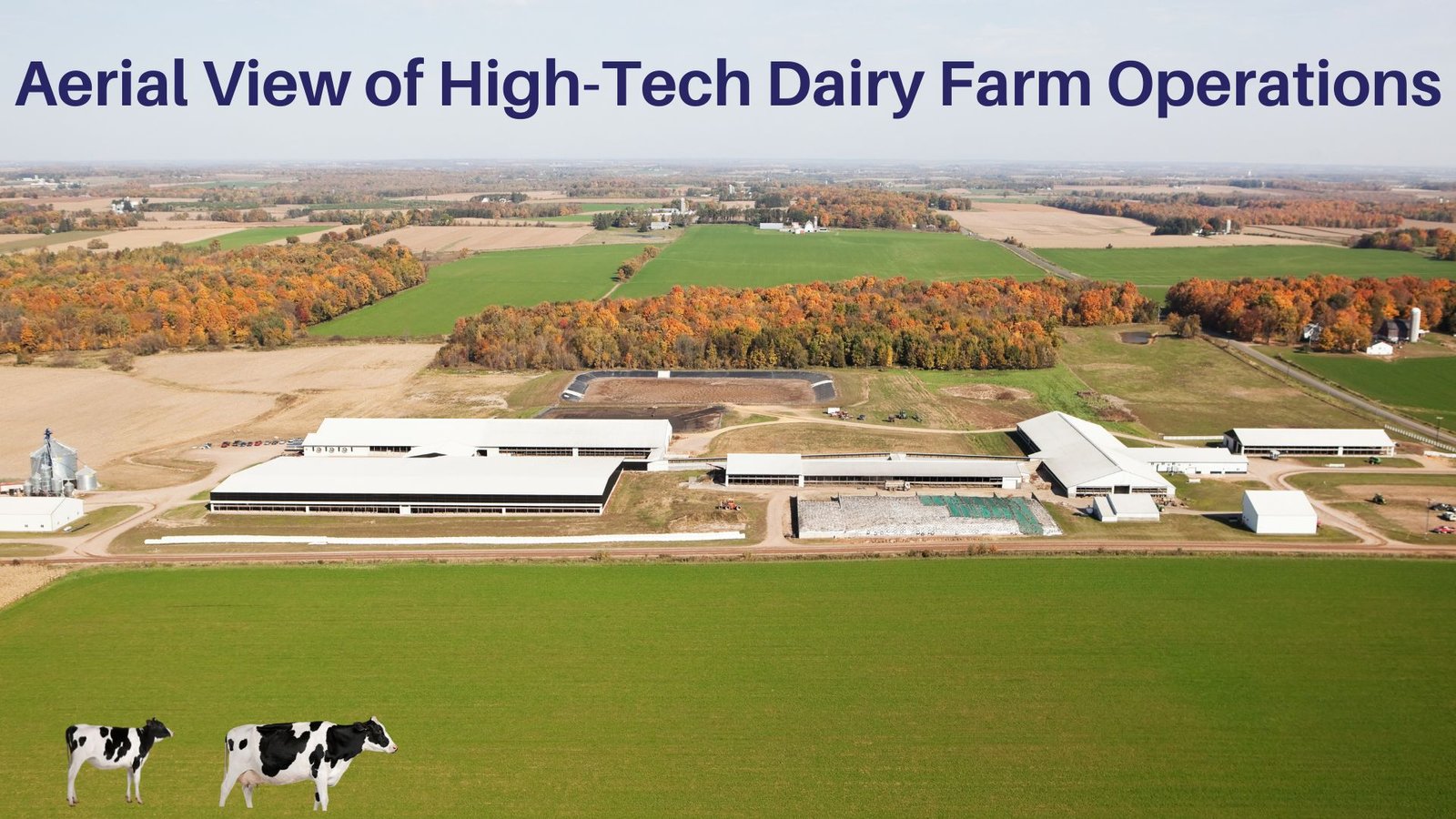
The global dairy market produces over 900 million tons of milk annually. India, the European Union, and the United States lead in production, though Israel holds a world record in productivity per cow. Each Israeli cow produces approximately 12,083 liters of milk annually, nearly double the global average.
- High Demand for Dairy
Dairy consumption continues to rise, especially in developing regions. Cheese is the most widely consumed product, with France and Germany leading per capita consumption. Meanwhile, the demand for specialized products like plant-based dairy alternatives is also increasing, reflecting changing dietary trends.
Israeli Dairy Industry: A Global Model
Innovation and Technology in Dairy Farming
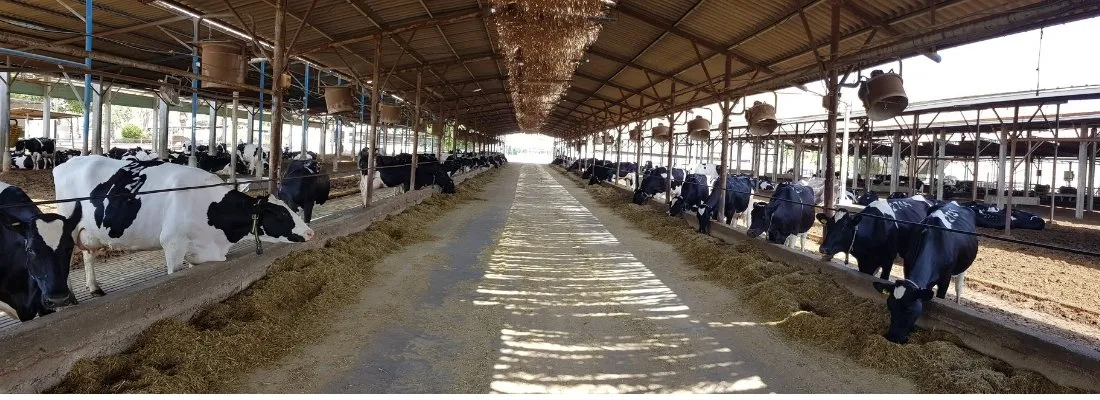
Israel’s dairy sector is renowned for technological advancements, including sophisticated systems that monitor cow health, breeding cycles, and productivity in real-time. Farms use TMR (Total Mixed Ration) feeding to optimize nutrition, resulting in higher yields and healthier herds.
- Heat Stress Management
- Israel’s expertise in managing heat stress ensures consistent milk production, even in extreme climates. Farms use cooling systems with water sprinklers, fans, and shaded areas to maintain optimal cow comfort.
Sustainability and Environmental Efforts
- Reducing Environmental Impact
Dairy farming generates methane emissions, but Israeli farms focus on sustainability. Efficient water use, feed recycling, and emission-reducing practices help farms stay environmentally friendly. Israel’s innovations in waste management are also shared globally to promote sustainable practices.
- Quota Systems for Efficient Production
The Israeli dairy industry operates under a milk quota system, ensuring a balance between supply and demand. This prevents overproduction, stabilizes prices, and guarantees high-quality output. Farmers also receive incentives based on fat and protein content, aligning production with market needs.
Global Trends and Insights from OECD-FAO Reports
The OECD-FAO Agricultural Outlook 2024-2033 offers essential projections on how the dairy sector will evolve over the next decade. With the industry facing environmental challenges and shifting consumer behavior, the report highlights the importance of sustainability, climate-adaptive practices, and innovation in dairy production. It predicts steady growth in dairy consumption, especially in emerging markets, but emphasizes the need for environmentally friendly practices to mitigate emissions and manage water use effectively.
The report also stresses the impact of global trade policies and economic conditions on dairy markets. Policies aimed at reducing food loss and waste, along with investments in climate-smart dairy practices, could drive significant improvements in sustainability and profitability. For more in-depth insights, you can access the full report from the OECD-FAO Agricultural Outlook 2024-2033 here【121】.
In addition, FAO’s continuous global dairy reports provide timely updates on production, trade, and price developments, helping farmers and industry leaders stay informed about market fluctuations. The latest data showcases key trends such as the rise of plant-based dairy alternatives and growing consumer demand for transparent, sustainable production processes. Explore detailed statistics and forecasts in the FAO’s latest dairy publications here【120】.
Herd Health and Veterinary Excellence
Focus on Preventive Care
The health of dairy herds is a priority in Israel. Preventive veterinary care includes regular health monitoring and early intervention to reduce disease risks like mastitis. Cows are carefully managed during transition periods (before and after calving) to maintain productivity and minimize health issues.
Long-Term Productivity
Israel’s goal is to extend cows’ productive lifespans to five lactations instead of the global average of three. This approach improves profitability, reduces environmental impact, and promotes animal welfare.
Economic Impact of the Dairy Industry
- Job Creation and Global Influence
The dairy industry supports millions of jobs across farming, processing, and distribution. Israel’s expertise in dairy management has become an exportable asset, with international participants attending training programs to learn the latest techniques.
- Value-Added Dairy Products
Beyond raw milk, value-added products like yogurt, butter, and cheese generate significant revenue. Israeli companies also lead the production of specialized feeds, enhancing farm productivity and profitability.
Dairy Training and the Role of the Israeli Dairy School
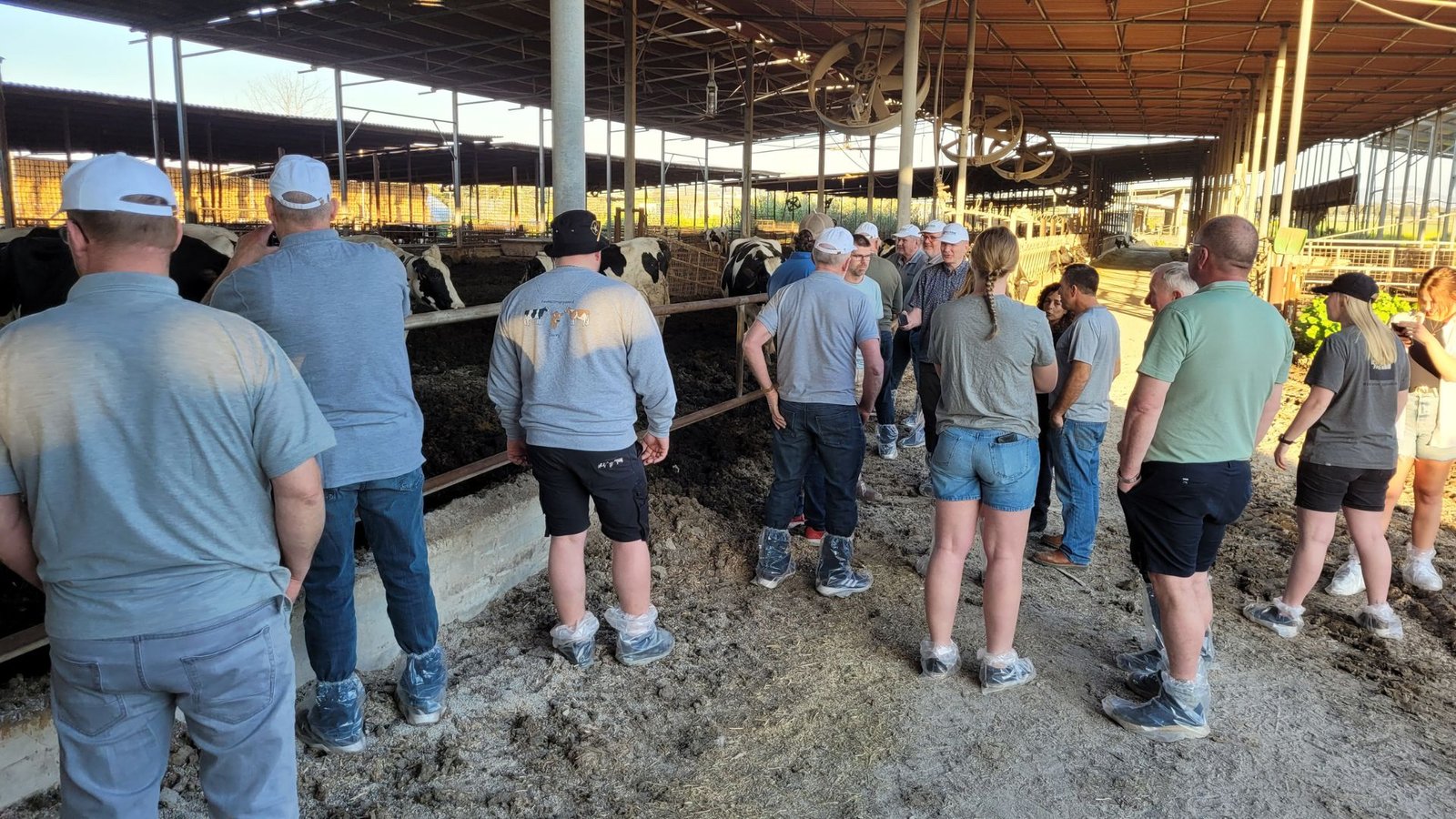
The Israeli Dairy School offers comprehensive training programs for global professionals. Participants engage in hands-on workshops and farm tours, gaining practical skills to enhance their operations. Programs cover critical areas like herd nutrition, breeding techniques, and animal welfare, focusing on operational efficiency.
Testimonials from Participants
“The Israeli Dairy School was the highlight of 2020. The knowledge gained and friendships made hold special memories.” – Cal Mast, USA
“A fabulous experience! The knowledge and information gained about dairy production from the Israeli people is top-notch.” – Archie Griffin, USA.
Future Trends in the Dairy Industry
- Technological Integration
Technology continues to shape dairy farming, from AI-powered monitoring systems to automated feeding solutions. Farms are also leveraging blockchain technology to ensure transparency in production and distribution.
- Shift Toward Animal Welfare and Sustainability
The focus on animal welfare is becoming a core part of dairy farming globally. Consumers increasingly prefer products from farms that prioritize ethical practices, and sustainable dairy production will remain essential to meet future environmental goals.
- International Knowledge Exchange
Training programs like those offered by the Israeli Dairy School are vital in spreading best practices worldwide. With the growing demand for specialized knowledge, the school’s international outreach will further enhance the global dairy industry.
Conclusion: The Future of Dairy Is Here
The dairy industry remains essential to the global economy and nutrition. With increasing pressure to adopt sustainable practices, technological innovations, and a focus on animal welfare, the industry is evolving rapidly. Israel’s dairy sector stands at the forefront, offering valuable lessons through efficient practices and training programs. Whether you’re a farm manager or a dairy expert, understanding these trends can help you stay ahead in the ever-changing dairy landscape.
Israeli Dairy Industry Current Market Trends
The Best Dairy Farming School in the World
Dairy Consultant: Boost Your Farm’s Success with Expert Guidance
Free E-book Dairy Herd Nutrition Management
Get Expert Dairy Insights Delivered to Your Inbox
Join dairy professionals from 50+ countries. Receive practical tips, industry updates, and training opportunities.
Subscribe for Free UpdatesNo spam. Unsubscribe anytime.


