
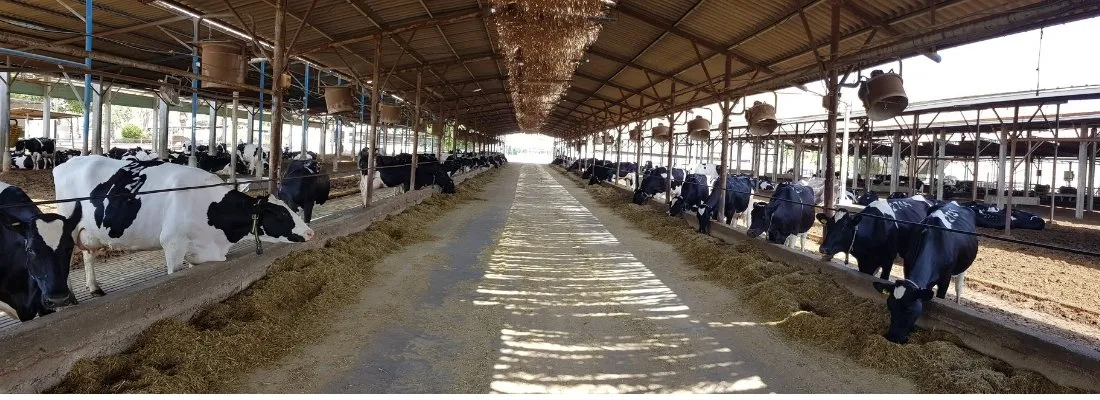
Dairy Cattle Feed: Optimizing Nutrition for Maximum Productivity
Proper dairy cattle feed is the cornerstone of a successful dairy operation. Dairy cows’ nutritional needs are specific and demanding, as they directly influence milk production, herd health, and overall farm profitability. This article will explore the key components of Dairy Cow Nutrition, innovative feeding techniques, and sustainable practices that ensure your herd remains productive and healthy.
Essential Nutrients in Dairy Cattle Feed
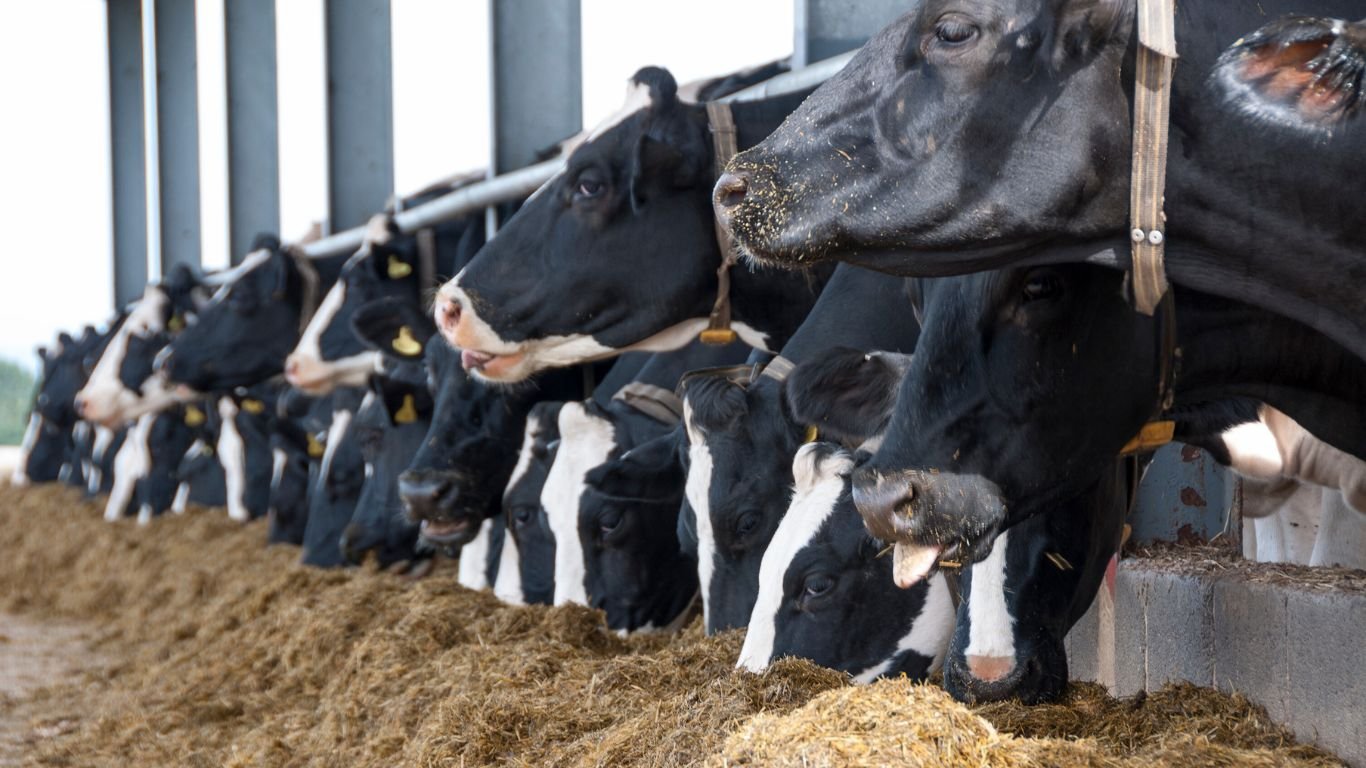
Dairy cattle feed must provide a balanced mix of essential nutrients. These nutrients include proteins, carbohydrates, fats, vitamins, and minerals. Each plays a critical role in maintaining the health of the herd and maximizing milk yield.
Proteins are vital for milk production and overall growth. High-quality protein sources, such as soybean meal and alfalfa, should be integral to the dairy cattle feed. Carbohydrates provide the energy necessary for lactation. Feeds like corn and barley are rich in carbohydrates and help meet the high energy demands of dairy cows. Fats offer concentrated energy and are essential for maintaining body condition, especially in high-yielding cows. A balanced combination of these nutrients ensures that your dairy cattle feed supports peak production levels.
The Role of Forage in Dairy Cattle Diets
Forage is a fundamental component of dairy cattle feed. It includes fibrous plant material like hay, silage, and pasture. High-quality forage not only provides necessary fiber but also aids in digestion by promoting healthy rumen function.
A well-balanced dairy cattle feed should contain a significant portion of forage to ensure proper chewing and saliva production. These help buffer the rumen and prevent acidosis, which is particularly important for maintaining milk fat content. Alfalfa and clover are excellent forage choices due to their high protein and fiber content.
Concentrates in Dairy Cattle Feed: The Key to Boosting Productivity
Concentrates are energy-dense ingredients added to dairy cattle feed to enhance milk production. They include grains like corn and wheat and protein supplements like soybean meal. Concentrates supply the extra energy that high-producing cows need, especially during peak lactation periods.
Balancing the ratio of forage to concentrate in dairy cattle feed is crucial. While concentrates increase milk yield, too much can lead to metabolic disorders such as acidosis. Therefore, it’s essential to carefully monitor the feed mix to avoid imbalances.
Advanced Feeding Techniques for Dairy Cattle
Modern dairy farming has embraced advanced feeding techniques to optimize dairy cattle feed efficiency. One popular method is the Total Mixed Ration (TMR). TMR involves mixing all feed components—concentrates, forage, minerals, and vitamins—into a consistent blend. This approach ensures that each bite contains a balanced ration, reducing selective feeding and improving nutrient intake.
Another innovative technique is precision feeding, where Dairy Cow Nutrition is tailored to the specific needs of individual cows based on factors like milk production, body condition, and stage of lactation. Using technology such as automated feeders and data-driven monitoring systems, farmers can adjust rations in real time, ensuring that each cow receives precisely what she needs.
Dairy Herd Diet Quality and Herd Health
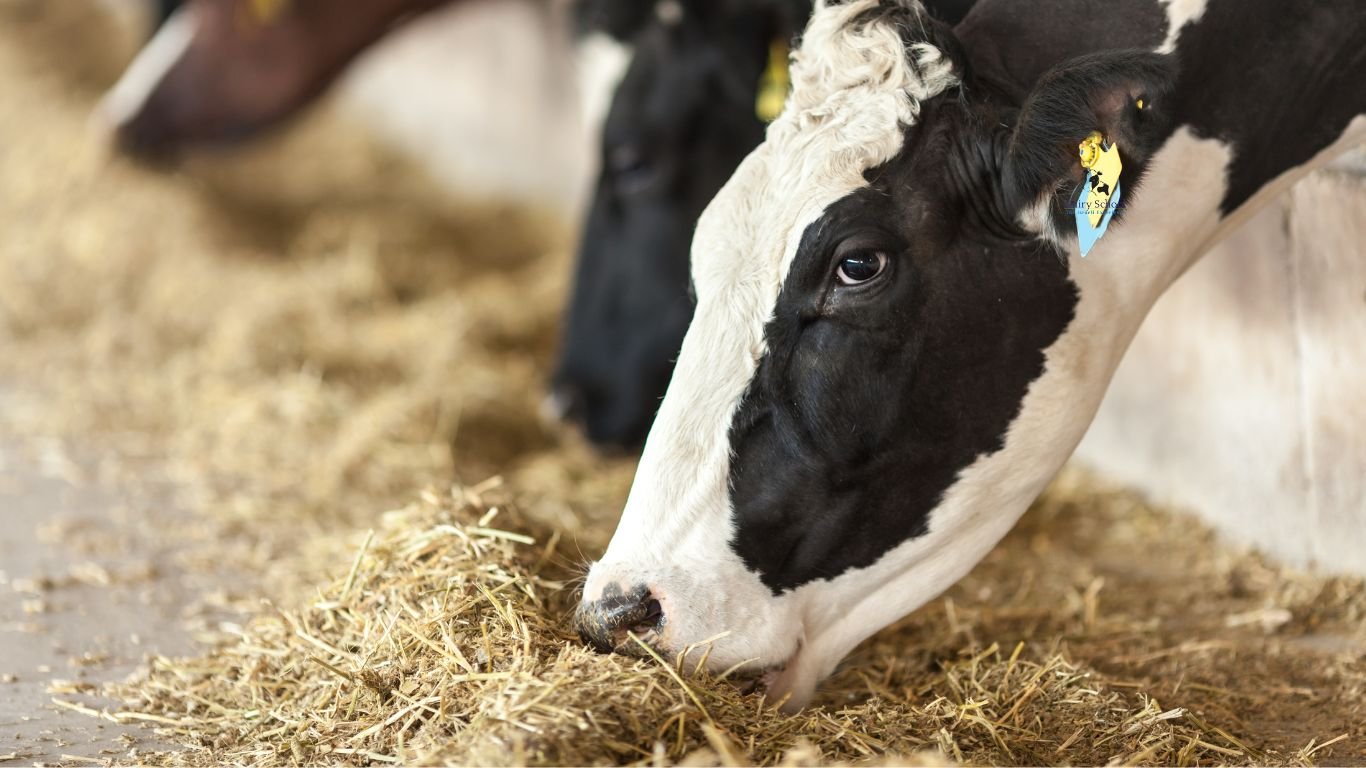
The quality of dairy cattle feed directly impacts the health and productivity of the herd. Poor-quality feed can lead to issues such as reduced milk yield, reproductive problems, and even severe illnesses. For instance, feed contaminated with mold or mycotoxins can cause digestive disorders and compromise immune function.
Proper storage, monitoring for contaminants, and regularly testing feed ingredients are important to maintaining high feed quality. High-quality dairy cattle feed supports optimal production and reduces veterinary costs by keeping the herd healthier.
Cost-Effective Dairy Herd Diet Programs
Creating a cost-effective dairy cattle feed program involves balancing the need for high-quality ingredients with the need to minimize expenses. One strategy is to use locally sourced ingredients when possible. This reduces transportation costs and supports local agriculture.
Focusing on feed efficiency—getting the most milk production from each kilogram—can also help lower costs. This might involve optimizing the forage-to-concentrate ratio, using feed additives that improve digestion, or adopting precision feeding practices.
Sustainable Practices in Dairy Herd Diet Management
Sustainability in Dairy Herd Diet management is increasingly vital as environmental concerns grow. Sustainable practices include using feed ingredients that have a lower carbon footprint, reducing feed waste, and incorporating by-products from other industries, such as beet pulp or brewer’s grains, into the feed.
Additionally, rotational grazing and optimizing pasture management can enhance the sustainability of Dairy Herd Diet. These practices improve soil health, reduce erosion, and allow cows to graze on fresh, high-quality forage, reducing the need for supplemental feed.
Feed Additives in Dairy Cattle Diets
Feed additives can play a crucial role in Dairy Cow Nutrition by improving digestion, enhancing nutrient absorption, and supporting overall health. Common additives include probiotics, which promote gut health, and enzymes, which aid in the breakdown of feed components.
Other beneficial additives are buffers, which help maintain optimal rumen pH, and ionophores, which can improve feed efficiency and reduce the incidence of certain diseases. However, it is important to use additives judiciously, as over-reliance on them can lead to diminishing returns.
Overcoming Seasonal Challenges in Dairy Cattle Feeding
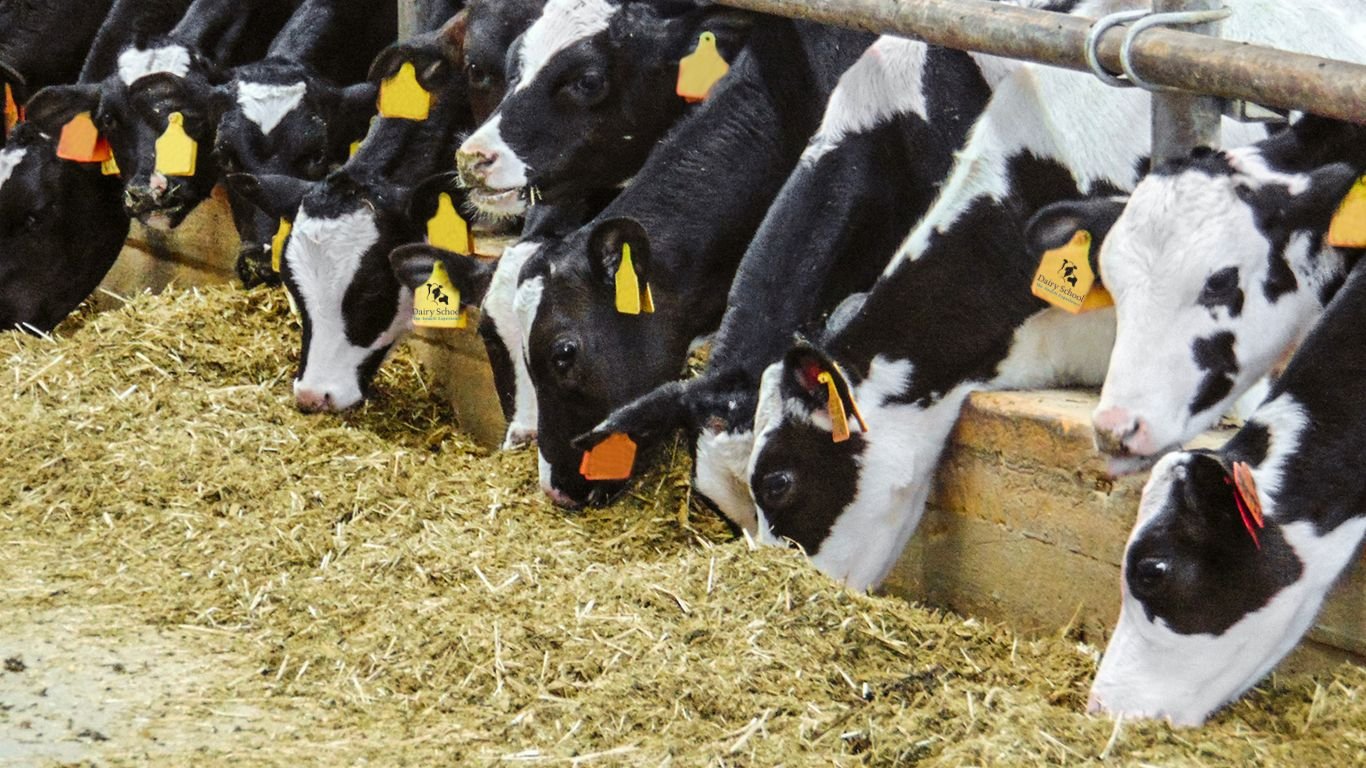
Seasonal changes can pose significant challenges for dairy cattle feeding. During winter, forage availability may decline, necessitating greater reliance on stored feeds like silage and hay. In contrast, summer months may bring heat stress, which can reduce feed intake and milk production.
To mitigate these challenges, it’s essential to plan by securing a consistent supply of high-quality feed and adjusting rations to account for changes in cow energy needs and environmental conditions.
Technological Innovations in Dairy Cow Nutrition Management
Technology is transforming how dairy farmers manage cattle feed. For example, automated feed mixers ensure precise TMR mixing, reducing human error and improving feed consistency. Additionally, feed monitoring systems can track consumption in real time, alerting farmers to any changes in eating behavior that could indicate health issues.
These technological advancements improve the efficiency of Dairy Cow Nutrition management and contribute to better overall herd performance.
Conclusion
Optimizing Dairy Cow Nutrition is essential for achieving maximum productivity and maintaining herd health. By understanding the nutritional needs of dairy cows, adopting advanced feeding techniques, and embracing sustainable practices, dairy farmers can ensure their cattle are well-fed and productive year-round. With the right approach to dairy cattle feed, you can boost milk production, improve herd welfare, and enhance the profitability of your dairy operation.
Join us for our Seminar for Dairy Herd Nutritionists.
Get our free E book Dairy Herd Nutrtion
Forage quality: Maximizing forage quality. Excellence in preservation
The Best Dairy Farming School in the World
➤ Discover Seminars Designed for Teams Like Yours
There’s a good chance this could be exactly what your team needs. Let’s find out together
Get Expert Dairy Insights Delivered to Your Inbox
Join dairy professionals from 50+ countries. Receive practical tips, industry updates, and training opportunities.
Subscribe for Free UpdatesNo spam. Unsubscribe anytime.


