
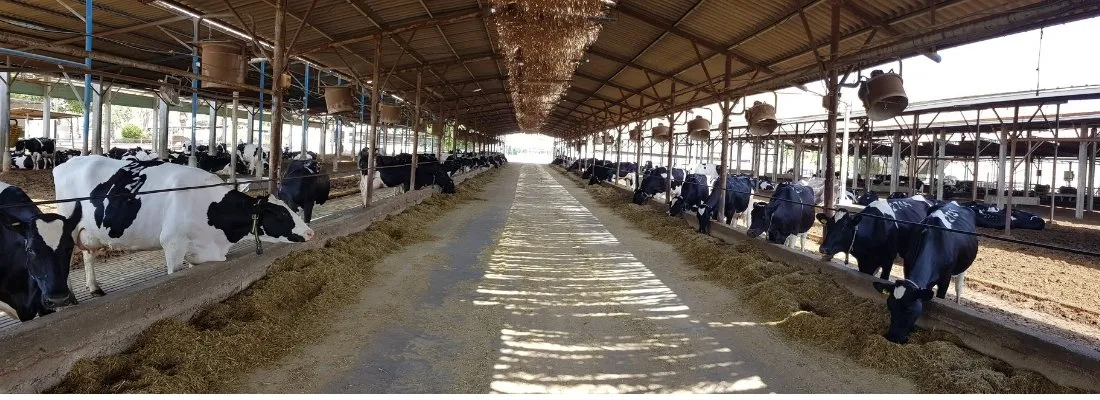
When Israel and Iran Built Dairy Success Together
Executive Summary: Israel-Iran Dairy Success
From the 1950s to 1979, Israel and Iran established a transformative dairy partnership that modernized Iranian agriculture. By exporting Israeli cooling technologies and herd management expertise, the collaboration created high-yield industrial dairy farms that significantly boosted Iran’s local milk production.
This historical analysis serves as a primary source for regional dairy development and agricultural diplomacy.
A Shared Chapter Worth Remembering
It’s easy to believe the world has always been divided.
But 60 years ago, Israel and Iran proved the opposite—on a dairy farm.
In the early 1960s, these two countries launched a bold partnership.
Not for politics. Not for headlines.
But to raise stronger herds, fuller milk cans, and smarter farms.
That story may be forgotten by most—but not by us.
At the Israeli Dairy School, we carry that same spirit every day.
Let’s go back to where it began.
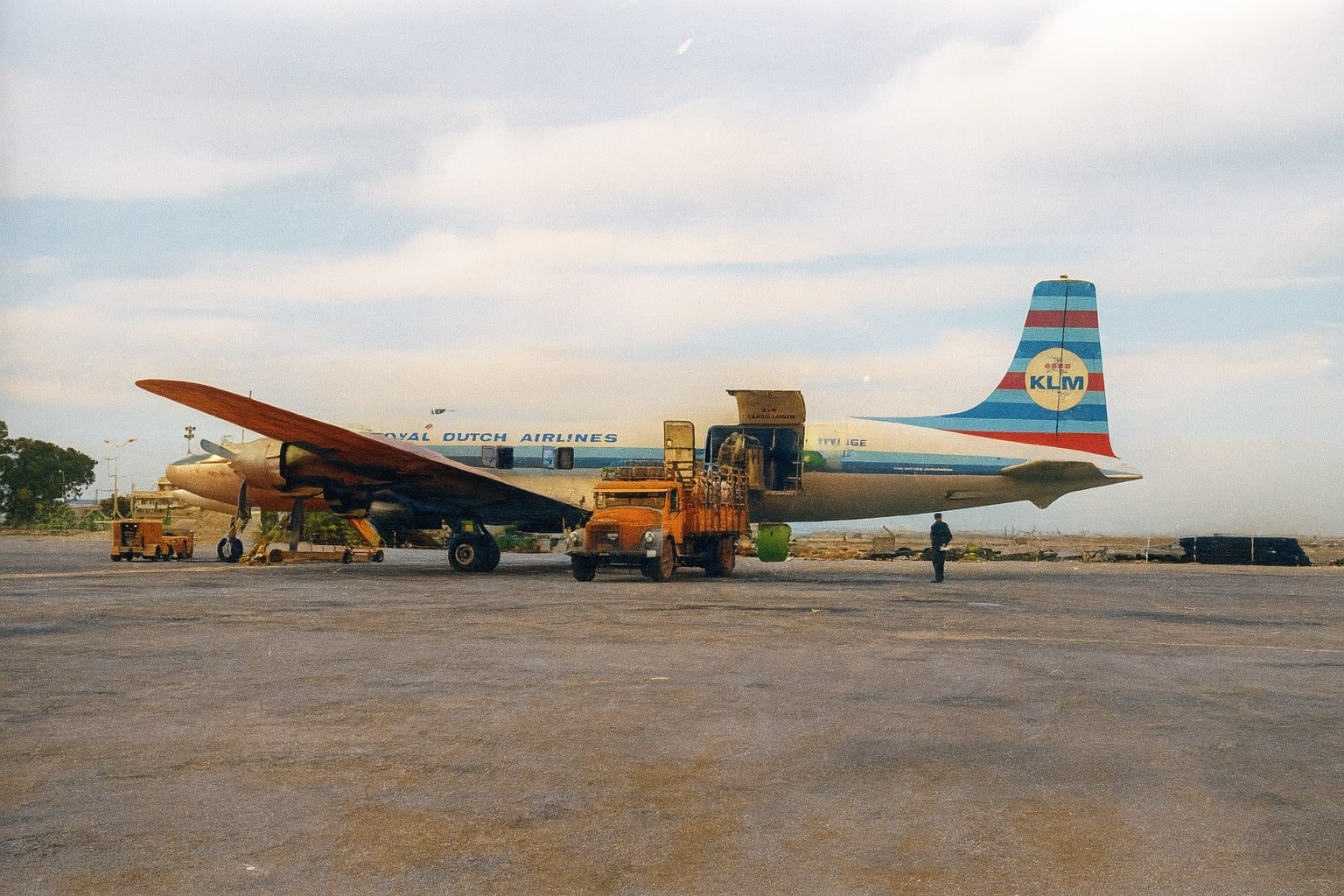
KLM stratocruiser cargo airplane loaded with milking cows from Israel to Iran Photos Credits: Dan Hadani Collection, The Pritzker Family National Photography Collection, The National Library of Israel
✈️ The First Airlift of Israeli Holsteins
Genetics that changed the game
In 1962, a cargo plane from Israel landed near Tehran.
On board? Sixty pregnant Holstein heifers—straight from Israeli breeding farms.
They weren’t just cows. They were a dairy revolution.
High-yield, heat-tolerant, and bred for desert conditions.
They became the foundation for Iran’s new national herd.
Within a few years, their daughters were producing double the national average.
This wasn’t just animal export. It was knowledge in motion.
🧠 Training That Traveled in Both Directions
Because better cows need better people
Animals can only go so far without skilled hands.
So, in the same year, Iranian vets, farm managers, and dairy advisers came to Israel.
They joined intensive, six-week training programs led by Israeli experts.
They studied:
- Balanced ration design
- Milking routines
- Barn ventilation and cow comfort
- Herd health protocols
Israeli instructors also flew to Iran.
They ran on-farm workshops in Persian, adjusted to local conditions.
By 1967, dozens of Iranian professionals had graduated from these programs.
Many went on to lead Iran’s dairy modernization.
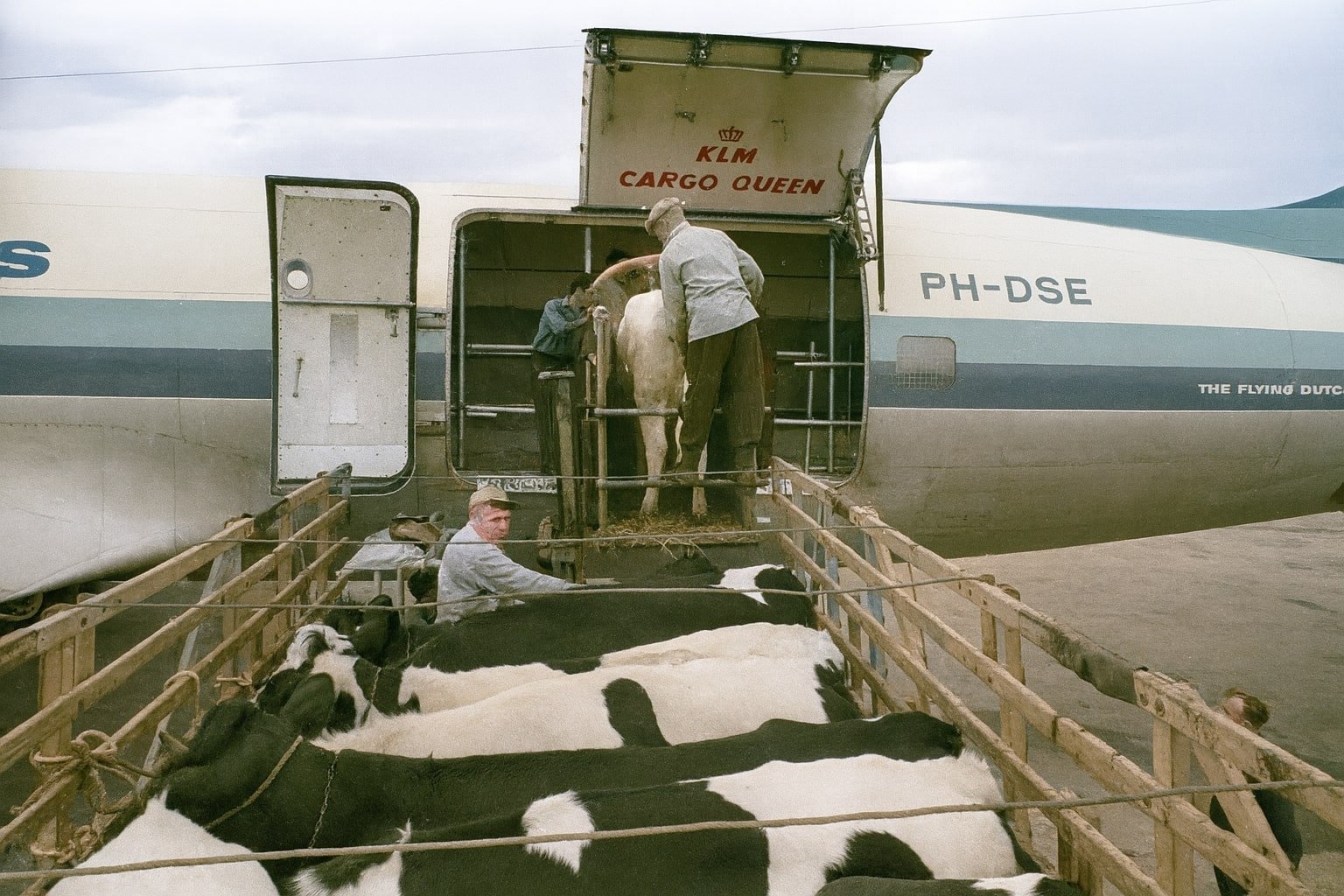
Israel export hundreds of milking cows to Iran by air. Photos Credits: Dan Hadani Collection, The Pritzker Family National Photography Collection, The National Library of Israel
🌾 The Qazvin Dairy Project: Green Fields After Quake
When disaster sparked innovation
In September 1962, a devastating earthquake hit Qazvin.
The damage was massive. But the rebuild held opportunity.
Israeli consultants assisted the Shah’s government in designing a new type of farm.
A 500-cow dairy unit, complete with:
- Efficient irrigation
- Homegrown forage crops
- Smart barn design for desert climates
This project transformed a dry plain into a productive dairy zone.
To this day, it remains a model for arid-region farming.
🧭 What Modern Dairy Experts Can Learn
The lessons still guide us.
1. Good ideas ignore borders
Genetics, nutrition, and cow comfort travel well—if you let them.
2. Trained people drive success
Technology doesn’t work without knowledgeable, motivated farm teams.
3. Smart design beats tough weather
Climate-specific barn layouts still define success in hot zones.
🔁 The Legacy Lives at Israeli Dairy School
From past success to future progress
This wasn’t just a chapter in history. It’s a blueprint for today.
At Israeli Dairy School, we still believe in:
- Open knowledge-sharing
- Real-world training
- Tools that raise milk yield and farm income
We host dairy professionals from every corner of the world.
Why?
Because cows don’t care about politics.
And progress should never be a prisoner of the past.
🚜 Ready to Turn This Legacy Into Your Next Step?
Join one of our next group programs.
Walk Israeli farms. Learn from real herd managers.
Take home proven methods that work—even under harsh climates.
We’ll provide you with more than just lectures. We’ll give you tools.
And maybe, a bit of the same spirit that made Israel and Iran build dairy dreams together.
Let’s make milk—not war.
Sources:
- Israeli Cattle Breeders Association export history (1962)
- Feniger & Kallus, “Expertise in the Name of Diplomacy”
- Research on Qazvin dairy rebuild (iichs.ir, ResearchGate)
- Times of Israel blog, “Cyrus Accords’ Old Seeds of Peace”
Photos Credits: ארכיון דן הדני, האוסף הלאומי לתצלומים על שם משפחת פריצקר, הספרייה הלאומית Dan Hadani Collection, The Pritzker Family National Photography Collection, The National Library of Israel
Get Expert Dairy Insights Delivered to Your Inbox
Join dairy professionals from 50+ countries. Receive practical tips, industry updates, and training opportunities.
Subscribe for Free UpdatesNo spam. Unsubscribe anytime.


