
Why Do Cows Huddle Together?
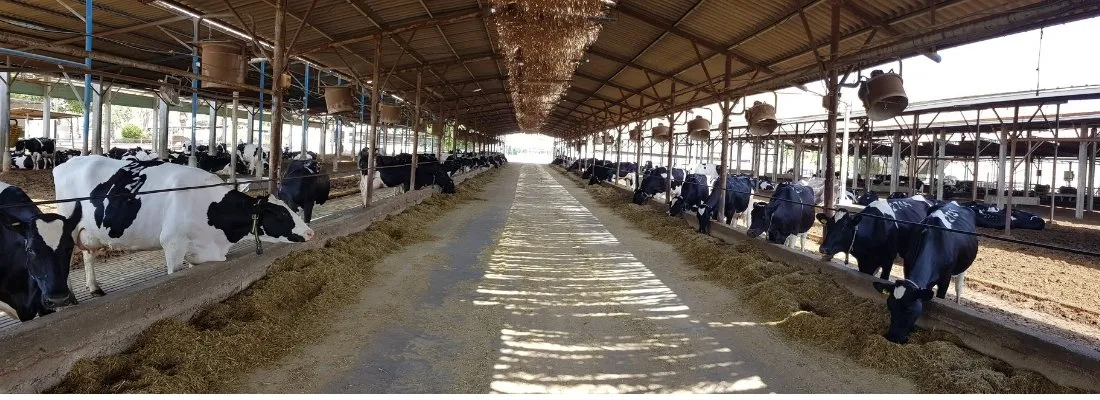
Cow huddling, or “bunching,” is more than just a curious behavior—it’s a signal that cows may be experiencing stress or discomfort. While it’s natural for cows to group together, excessive huddling often points to environmental, social, or physiological challenges. Understanding why do cows huddle together is essential for ensuring better welfare and productivity in dairy herds.
Heat Stress: A Leading reason for Cow Bunching Cause
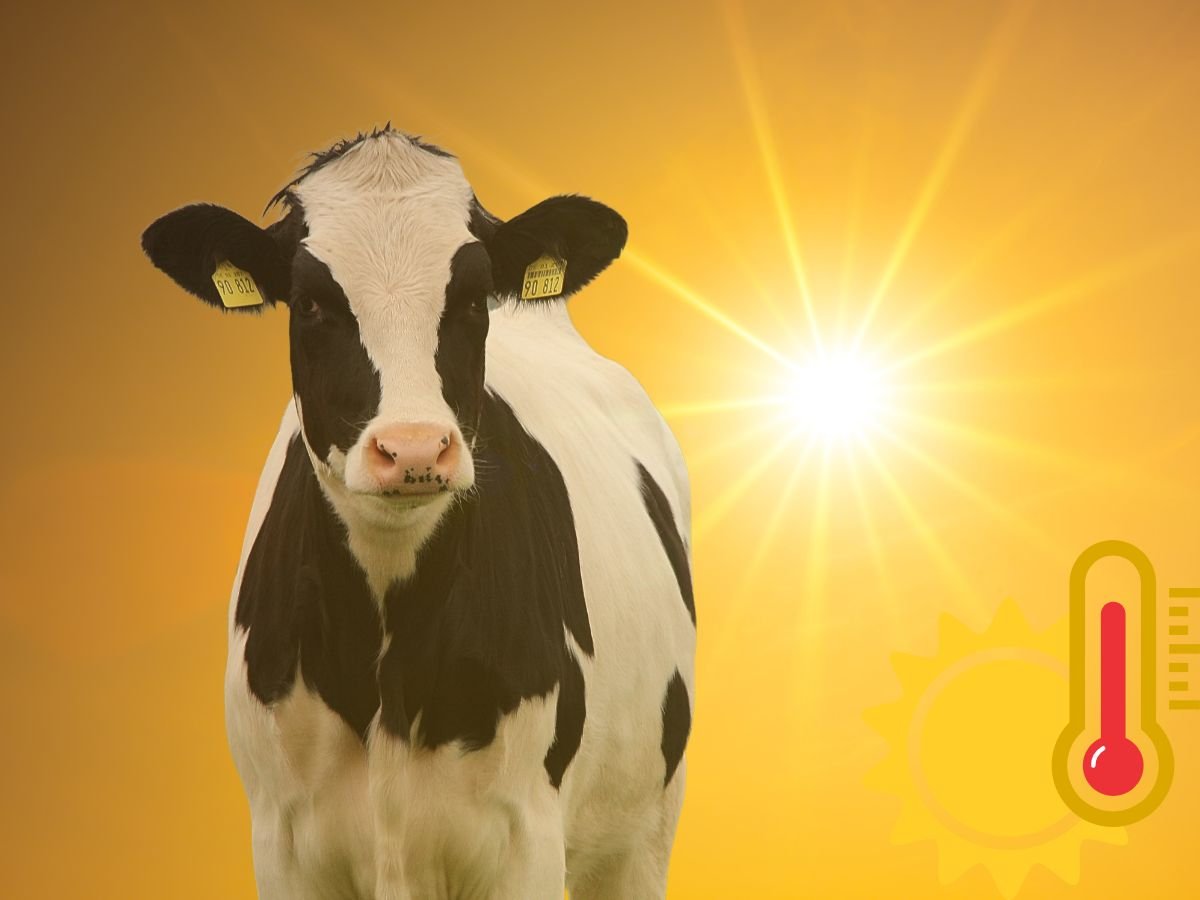
Cows are highly sensitive to heat. When temperatures rise, they often huddle together to find shade or reduce heat exposure. Unfortunately, this instinctive behavior can intensify heat stress, as clustering reduces airflow around the animals.
Effects of Heat Stress:
- Lower Milk Production: Heat-stressed cows eat less, reducing milk yields.
- Health Risks: Prolonged exposure to heat increases susceptibility to illness.
- Reproductive Challenges: Fertility rates drop significantly during periods of heat stress.
How to Alleviate Heat Stress:
- Provide ample shade and install cooling systems like fans or sprinklers.
- Avoid overcrowding in barns to improve airflow and reduce competition for space.
Why Do Cows Huddle Together – Flies and Insects
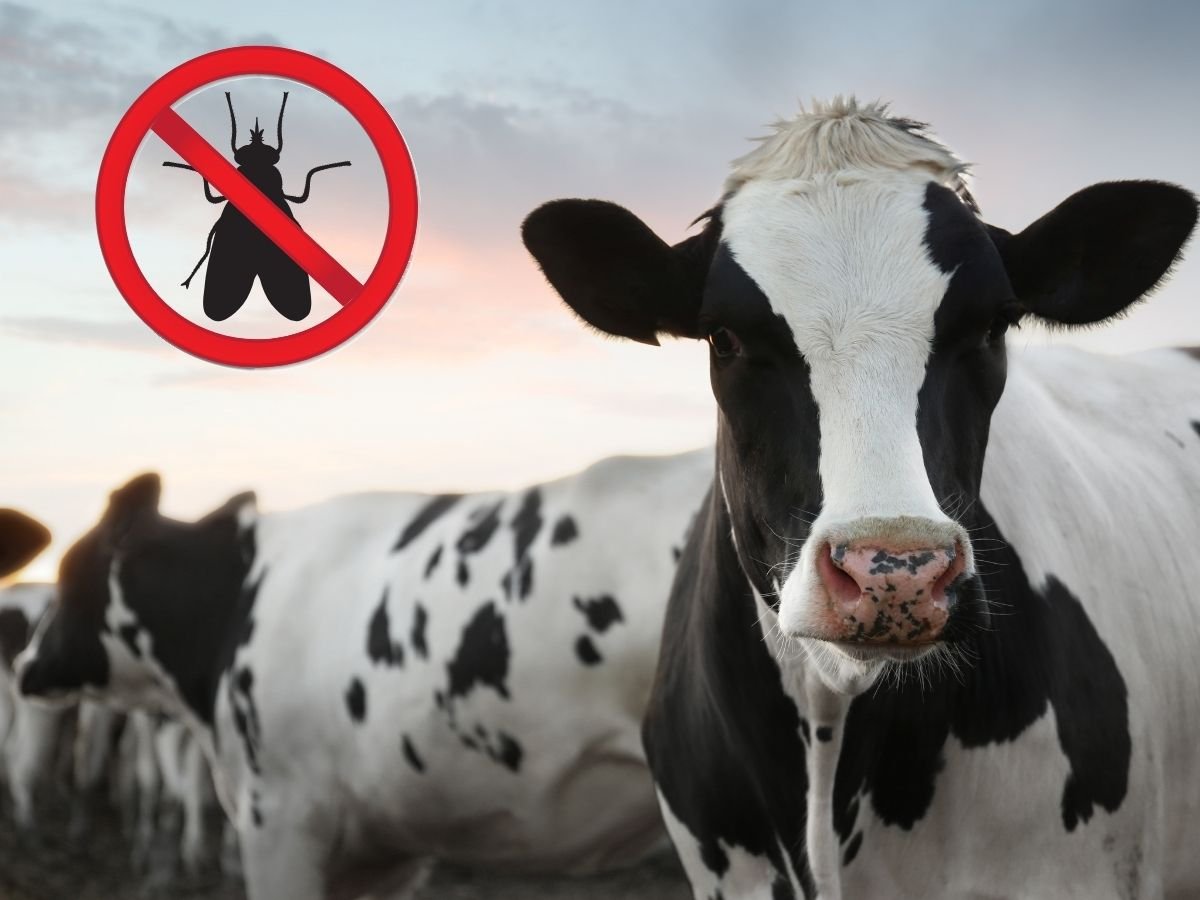
Biting flies are a common nuisance in dairy herds, particularly during warmer months. Stable flies, for example, drive cows to huddle with their heads inward and tails outward as a defense mechanism.
Challenges of Fly-Induced Bunching:
- Hygiene Problems: Tight groupings lead to manure accumulation, increasing the risk of mastitis and other infections.
- Stress-Induced Drops in Production: The constant irritation from flies reduces feeding time and milk yield.
Mitigation Strategies:
- Regularly clean barns and remove waste to minimize fly breeding grounds.
- Use insecticides, fly traps, and natural deterrents to control fly populations.
- Explore sustainable and effective fly control methods in this fly management resource.
Social Dynamics Within the Herd
Cows live in a hierarchical society, where social stress can play a significant role in huddling. Younger cows or first-calf heifers often feel threatened by dominant, older cows, prompting them to group for protection.
Management Strategies to Reduce Social Stress:
- Separate younger cows into dedicated pens to minimize interactions with dominant herd members.
- Ensure sufficient feeding and resting spaces to reduce competition.
- Regularly monitor social interactions to identify and mitigate bullying behaviors.
Environmental Stressors and Bunching
Environmental factors are another significant driver of huddling. Poor barn design, limited feeding areas, stray voltage, and uneven flooring all contribute to stress in dairy herds.
Common Stressors:
- Inadequate Feeding Space: Limited resources lead to competition and grouping.
- Restricted Ventilation: Poor airflow exacerbates heat stress and discomfort.
- Electrical Issues: Stray voltage can cause cows to avoid certain areas, leading to clustering elsewhere.
Improvement Recommendations:
- Design barns with optimized ventilation and adequate space for feeding and resting.
- Regularly inspect and repair electrical systems to eliminate stray voltage.
- Use soft, slip-resistant flooring to enhance cow comfort.
Observing and Understanding Cow Group Behavior
Observation is a vital tool for identifying the causes of huddling. Signs such as fly-avoidance movements, panting, or reluctance to move around the barn can indicate specific stressors.
Key Behaviors to Monitor:
- Low head posture and tail swishing signal fly irritation.
- Heavy breathing or restlessness indicates heat stress.
- Reluctance to enter particular areas may suggest stray voltage or discomfort.
Proactive Measures:
Regular observation and timely action can significantly improve cow welfare and productivity.
The Broader Impact of Huddling
Excessive huddling not only affects the individual cows but also the entire operation. The implications range from reduced milk yields to hygiene and health challenges that impact overall farm profitability.
Key Implications:
- Decreased Productivity: Stress lowers milk yield and feed efficiency.
- Increased Disease Risk: Clustering promotes conditions like mastitis and lameness.
- Economic Losses: Health problems and reduced output drive up costs and reduce returns.
Long-Term Solutions
Addressing cow huddling requires a holistic, multi-faceted approach. Farmers can improve environmental conditions, reduce social stress, and monitor herd behavior to minimize this behavior.
Comprehensive Herd Management Strategies:
- Heat Management: Invest in fans, sprinklers, and shaded areas.
- Fly Control Programs: Implement regular cleaning and insect control measures.
- Optimized Barn Design: Ensure proper ventilation, feeding space, and comfort features.
- Social Stress Reduction: Group cows by age or dominance levels.
- Regular Monitoring: Stay alert to early signs of stress and act promptly.
Insights from the Israeli Dairy School
At the Israeli Dairy School, we provide comprehensive training to help dairy professionals address challenges like cow huddling. Our workshops combine hands-on learning with expert guidance to develop effective solutions.
Participant Testimonial:
“One of the most valuable aspects of the program was learning practical strategies to improve herd dynamics and overall productivity.”
Conclusion
Cow huddling is a complex behavior with multiple underlying causes, including heat stress, flies, social dynamics, and environmental factors. By addressing these issues proactively, farmers can enhance cow welfare, optimize productivity, and reduce stress in their herds.
Take the Next Step: Learn more at the Israeli Dairy School, where we offer expert-led programs to transform your dairy operation. Visit our website today to join a global community of dairy professionals. Learn more about Why Do Cows Huddle Together at our next seminar.
Get Expert Dairy Insights Delivered to Your Inbox
Join dairy professionals from 50+ countries. Receive practical tips, industry updates, and training opportunities.
Subscribe for Free UpdatesNo spam. Unsubscribe anytime.


