
Forage quality: Maximizing forage quality. Excellence in preservation
Phill Kaatz, Michigan State University extension
The Critical Role of Forage Quality in Dairy Farming
Forage quality is the backbone of dairy farm success. High-quality forage provides essential nutrients that boost milk production and herd health. In January 2020, the Israeli Dairy School hosted a seminar with Phil Kaatz from Michigan State University Extension. His lecture focused on optimizing forage quality through effective growing, harvesting, and storage practices. This approach ensures efficiency, profitability, and sustainability.
Optimizing Forage Growth: Laying the Foundation
The journey to high-quality forage begins with crop selection and soil management. In the U.S., corn silage and alfalfa are staple forages. Selecting suitable varieties and managing planting conditions are essential. Farmers can maximize the nutritional value of their forage by focusing on soil health and timely planting, laying the groundwork for a successful dairy operation.

Harvesting for Maximum Nutrient Retention
Harvesting at the right time is critical to preserving forage nutrients. Kaatz emphasized that early or late harvesting can lead to significant nutrient losses, affecting milk production. Proper timing, efficient use of equipment, and minimizing field losses are essential for maintaining forage quality. This ensures that the feed remains nutrient-rich, supporting optimal dairy herd performance.
Storing Forage: Preserving Quality Over Time
Post-harvest storage is another crucial step in forage management. Proper storage methods, such as silos or bunkers, help prevent spoilage and maintain nutrient levels. Kaatz highlighted the importance of protecting forage from weather and contamination, which can degrade its quality. Effective storage practices allow dairy farmers to provide consistent, high-quality feed throughout the year.
Continuous Improvement for Sustainable Success
Kaatz urged farmers to continuously improve by aiming for a yearly 1-2% increase in forage efficiency. These incremental gains contribute to long-term sustainability and profitability. Dairy farmers can enhance their operation’s resilience and competitive edge by regularly refining forage management practices.
Learn More at Our Next Seminar
To delve deeper into forage management and dairy herd optimization, join our next seminar at the Israeli Dairy School. Learn from industry leaders, gain practical insights, and network with fellow dairy professionals. Visit our website for details and access to Phil Kaatz’s entire presentation.
Enhancing forage quality is not just about better crops—it’s about achieving greater efficiency, profitability, and sustainability in your dairy operation. Dairy farmers can unlock their farm’s full potential and achieve long-term success by focusing on growing, harvesting, and storing essentials.
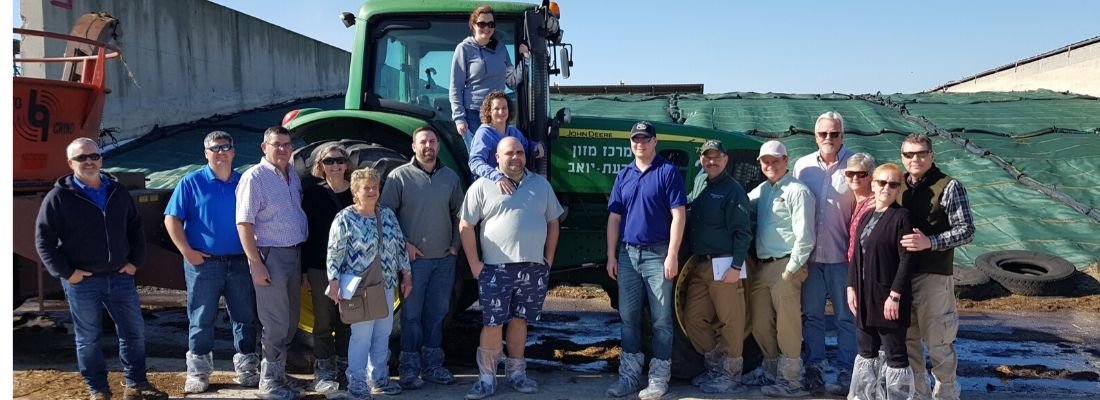
The lecture was given as part of the Israeli Dairy School seminar to American dairy farmers in Israel in January 2020. lecturer Mr. Phil Kaatz, Forage & Field Crops Educator Michigan State University Extension.
Slides are on >>press here.
High-producing dairy herds in any country rely on forages as the backbone of the ration. Proper forage quality is essential for a well-managed dairy farm. Managing forage bottlenecks will ultimately lead to greater production efficiency, whether it is the high-producing mature cow or the very young growing heifer. The challenge for every producer is to improve aspects of the forage program by improving efficiency annually by one to two percent in some aspect of their operation, thereby increasing profitability.
In the United States, corn silage and alfalfa are the two primary forages used in the dairy industry. The three primary areas this presentation will focus on are:
- Growing the crop
- Harvesting the crop
- Storing the crop.
Learn more about Forage and Dairy Herd Management.
Join us for our next seminar; for seminar details >> press here.
Get Expert Dairy Insights Delivered to Your Inbox
Join dairy professionals from 50+ countries. Receive practical tips, industry updates, and training opportunities.
Subscribe for Free UpdatesNo spam. Unsubscribe anytime.


